


Truecaller: Spam Call Blocker
Truecaller
I installed Truecaller to see whether it actually makes everyday calling less stressful, rather than treating it as just another contact utility. My overall impression is that it is most useful when unknown calls are a regular nuisance. It combines caller identification with spam-call blocking, so the app can help me decide whether a ringing phone deserves my attention before I answer it. That simple decision is its real value.
Truecaller is a free communication app from Truecaller, available for users aged Everyone and compatible with Android 8.0 and later. It has been around since May 31, 2012, and its reach is difficult to ignore: it has passed one billion installs, with an average rating of 4.4 from around 28 million ratings. Those figures do not automatically make it right for every phone, but they do suggest that the app has become a familiar option for people who want more information about incoming calls.
What I considered before choosing a caller ID app
When I compare this kind of app with the phone’s built-in caller screen, I look at three practical questions. First, can it help me recognize a caller I have not saved? Second, can it reduce interruptions from unwanted calls instead of merely labeling them? Third, does the extra information justify adding another app to a task the phone already handles?
Related News

That last question matters. A basic phone dialer is usually cleaner and simpler, and it may be enough for someone who receives very few unfamiliar calls. A carrier-provided spam filter can also be a better fit for people who prefer to keep call protection close to their mobile service. Truecaller makes a stronger case when I want one recognizable layer for both identification and blocking, especially if unknown numbers are part of my daily routine.
The app’s store summary focuses on automatic phone-call protection, but my decision would not rest on that wording alone. The useful distinction is between seeing a warning after an unwanted call has already interrupted me and having a tool that can help me screen the call as it arrives. That difference is small on paper and meaningful in practice.
Related News

Why WhatsApp Messenger Still Makes Everyday Communication Feel Easy

Jurassic World: The Game Is the Better Dino Tycoon for Strategic Players

Threads in Real Life: Who Should Join, Lurk, or Leave

How SHEIN Turned Shopping Into an Endless Content Feed

How to Make Fortnite Feel Smarter on Mobile

Should You Switch to Microsoft Outlook on Mobile?
How it fits into a normal day
Imagine I am waiting for a delivery, a repair technician, or a call from a clinic. I may not have the number saved, so blocking every unfamiliar caller would be a bad idea. At the same time, I do not want to answer every unknown number immediately. Caller identification gives me another piece of context, while spam labeling helps me make a quicker judgment.
In that situation, I would use Truecaller as a screening aid, not as an automatic substitute for common sense. A warning can make me pause, but I would still consider whether I am expecting a call and whether a voicemail or follow-up message appears. This is one of the app’s most important trade-offs: better information can reduce interruptions, but it cannot guarantee that every label is perfect or that every legitimate call will be recognized in the way I expect.
A second useful scenario is an older family member who is uncomfortable answering unfamiliar numbers. Instead of asking them to memorize complicated rules, I could explain that the app adds context to incoming calls and can help separate likely nuisance calls from calls worth answering. The benefit here is not technical sophistication; it is reducing uncertainty at the exact moment the phone rings.
Gallery
Where Truecaller feels stronger than ordinary call handling
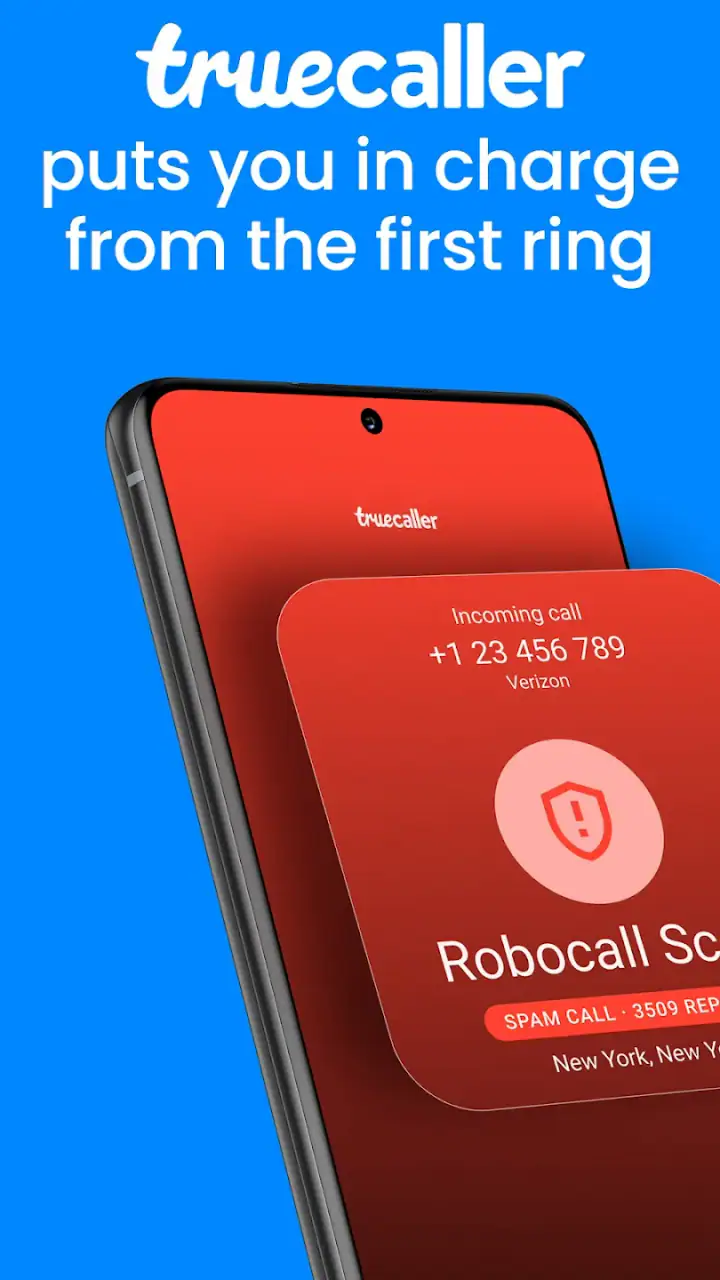
The clearest advantage is the combination of caller ID and spam call blocking. Many basic dialers show a number and leave the rest to me. Truecaller is designed around the question I actually have when an unfamiliar call appears: “Who might this be, and should I pick up?” Bringing those two functions together makes the app feel more purposeful than a simple contact list.
I also like the way this approach changes the role of the call history. Instead of treating recent calls as a plain sequence of numbers, I can use the available identification and spam context to decide what deserves a return call. That is particularly helpful after a busy period when several unknown numbers have appeared and I no longer remember which ones I ignored.
Another non-obvious strength is that the app can be useful even when I do not want to block every unknown caller. Blocking is a blunt tool; identification is more flexible. I can use the information to make a decision on a case-by-case basis, which is important for freelancers, job seekers, parents waiting for school calls, or anyone whose legitimate contacts often call from numbers that are not saved.
For people who receive repeated nuisance calls, the value is cumulative. One suspicious call is easy enough to handle manually. A steady stream of them creates friction: checking the phone, interrupting work, deciding whether to answer, and then remembering what happened. A dedicated caller protection app can make that routine less tiring. In my view, this repeated-interruption problem is where Truecaller earns its place most convincingly.
Practical habits that make the app more useful
I would not install it and immediately assume that every unknown call should be rejected. My first habit would be to keep important expected callers in mind before changing how I handle unfamiliar numbers. If I am waiting for a medical office, delivery service, employer, or school, I would be cautious about aggressive blocking and use identification as a prompt to investigate rather than an automatic verdict.
My second habit would be to review the call experience after a few days instead of judging it from the first call. The useful question is not whether the app labels one number correctly; it is whether my overall routine becomes calmer. If I still need to inspect every call manually, the app may not be saving enough time. If it helps me ignore obvious nuisance calls while keeping legitimate unknown calls available, then it is doing something valuable.
A third tip is to treat caller identification as a starting point for verification. If a call claims to come from a bank, delivery company, or public service, I would not share sensitive information merely because the screen displays an identity. I would end the call and use an official channel when the request involves passwords, payment details, or urgent action. Caller ID is useful context, not proof of trust.
I would also keep the app’s role narrow. It is primarily a communication tool for call screening, not a replacement for careful contact management. Saving genuine contacts, returning important calls promptly, and using voicemail or text follow-up remain sensible habits. The app works best when it reduces noise without making me careless.
When another option may suit you better
Truecaller is not automatically the best choice for everyone. If I rarely receive unknown calls, the built-in phone app may be preferable because it avoids adding another layer to my calling routine. Someone who values the smallest possible number of installed apps may decide that occasional manual screening is a fair price for simplicity.
A carrier’s own protection tool may also fit better for a person who wants call filtering handled within the existing mobile service. That route can feel more integrated and may reduce the number of settings a user has to think about. I would compare the actual experience on my phone rather than assuming that a separate app is always more capable.
Privacy-conscious users should pause before installing any caller-identification service and read the permissions and privacy explanations shown during setup. I am not suggesting that Truecaller is unsuitable on that basis; I am saying that the convenience of identifying unknown numbers comes with a data-handling decision that each user should make personally. If I am uncomfortable with that trade-off, a simpler dialer with manual blocking may be the better answer.
There is also a difference between wanting protection and wanting a full calling replacement. If my priority is a minimal interface with no additional identity layer, Truecaller may feel busier than necessary. On the other hand, if my main frustration is persistent unknown calls, choosing the most basic option may leave the original problem untouched.
The cost of changing how you handle calls
Because the app is free to download, the financial barrier to trying it is low. However, free access does not mean every user will have the same preferences about optional extras. Truecaller includes in-app purchases ranging from $0.99 to $449.00 per item, so I would inspect the purchase screens carefully and avoid assuming that every useful part of the experience is included in the basic setup.
For me, the more important switching cost is behavioral. I have to get used to checking the caller information without overtrusting it, deciding how I want unwanted calls handled, and remembering that a legitimate caller may still appear unfamiliar. That adjustment is manageable, but it is real. Any app that changes the way incoming calls are presented can make the phone feel different for the first few days.
There is also a maintenance cost in the broad sense: I need to revisit my choices if my circumstances change. A person who once wanted strong filtering may later be waiting for calls from new numbers and need a more cautious approach. The best setup is not necessarily permanent. I would treat Truecaller’s controls as something to review when work, travel, healthcare, or family responsibilities change.
On the positive side, the app does not require me to replace my entire communication routine. I can continue using my normal phone behavior while adding an identification and blocking layer. That makes the transition less disruptive than moving to a completely different calling system. The decision is mainly whether the extra context and protection are worth the additional app and the choices that come with it.
Who should install it, and who should skip it?
I would recommend Truecaller to people who regularly receive suspicious or unwanted calls and want more than a bare number on the screen. It is especially appealing if I need to remain reachable by unfamiliar callers but want help separating likely nuisance calls from calls that deserve attention. Its communication focus is clear, and its long presence in the app market makes it an established option rather than an experimental utility.
I would also consider it for a household member who feels anxious whenever an unknown number appears. The app can provide a more informed first reaction, provided I explain that labels are guidance and not a guarantee. That small lesson matters because the safest use combines automatic screening with independent verification.
I would skip it if my phone already gives me all the call filtering I need, if I almost never answer unknown numbers, or if I strongly prefer a minimal setup. I would also hesitate if I was not comfortable reviewing the app’s privacy choices and purchase options. In those cases, a built-in dialer or carrier solution may be more appropriate, even if it offers fewer identification features.
My final recommendation is therefore conditional but positive. Choose Truecaller when unknown calls are a recurring daily problem, not merely an occasional annoyance. Its main strength is the practical combination of identifying callers and helping protect the phone from spam. Its main weakness is that the extra convenience requires judgment about privacy, blocking behavior, and the reliability of any displayed identity.
After using it, I see it as a decision aid rather than a magic shield. It can make the incoming-call screen more useful and reduce the mental effort of dealing with nuisance calls, but I would still verify sensitive requests and keep important expected callers in mind. If that balance matches the way you use your phone, Truecaller is worth trying as a free communication app. If simplicity matters more than caller context, the phone’s standard tools may remain the better choice.
FAQs for Truecaller: Spam Call Blocker
What is Truecaller and how does it work?
Truecaller is a caller identification app that helps users identify unknown callers and block spam calls. It works by using a large database of phone numbers collected from its user community. When a call comes in, Truecaller matches the number with its database to identify the caller, providing users with the caller's name and any associated information.
Is Truecaller safe to use in terms of privacy?
Truecaller prioritizes user privacy and security. It requires access to your contacts and call logs to function effectively, but it does not sell or misuse your data. Users have control over their information and can choose to make their profiles private or even unlist their numbers from Truecaller's database.
Can Truecaller block spam calls and messages automatically?
Yes, Truecaller can automatically block spam calls and messages. It uses community-based spam reports to identify and block unwanted numbers. Users can customize the settings to block specific types of spam or even add numbers manually to their block list, enhancing their control over incoming communications.
Does Truecaller require an internet connection to function?
Truecaller requires an internet connection to update its caller ID database and to provide real-time information about incoming calls. However, once the database is downloaded, it can function offline to a certain extent, identifying known numbers without a live connection. Full functionality, including spam updates, requires being online.
Is Truecaller available for both Android and iOS devices?
Yes, Truecaller is available for both Android and iOS devices. While the core features are consistent across platforms, there may be slight differences in functionality due to operating system restrictions. For example, iOS may have limitations in terms of how it integrates with the phone's system compared to Android.
Pros
- Effective spam call blocking features.
- User-friendly interface and design.
- Comprehensive caller ID database.
- Seamless integration with contacts.
- Regular updates and improvements.
Cons
- Requires access to personal contacts.
- Ad-supported free version.
- Limited features without a subscription.
- Potential privacy concerns.
- Occasional false spam detections.


